Hey, have you heard about Magnesium Malate? It's been catching some attention lately for its potential health perks. Basically, research shows that magnesium is super important because it’s involved in over 300 biochemical reactions in our bodies. A study in the Journal of the American College of Nutrition even suggests that getting enough magnesium might help lower the risk of heart disease. But here’s the thing—lots of people aren’t meeting their daily magnesium needs, which is a bit of a worry.
Now, Magnesium Malate is a combo of magnesium and Malic Acid, and many say it’s smarter because it’s better absorbed by our bodies. The National Institutes of Health reports that magnesium deficiency isn’t rare—things like tiredness, muscle cramps, and mood swings can actually be signs of that. So, taking Magnesium Malate could potentially help solve some of these issues.
Plus, brands like Doctor’s Best and NOW Foods highlight how this supplement might boost energy levels since malic acid is a key player in the Krebs cycle—that’s the process that gives us energy, kinda like the engine of our cells. But, of course, it’s important to remember—everyone’s different. Before jumping into any new supplement, it’s always a smart move to chat with a healthcare pro. While Magnesium Malate looks promising, it’s not a miracle cure for everyone, so do what’s right for you.

Benefits of Magnesium Malate in Energy Production and Metabolism
Magnesium malate plays a crucial role in energy production and metabolism. Magnesium is essential for converting food into energy. Studies show that around 300 biochemical reactions depend on magnesium. This mineral aids in the activation of ATP, the energy currency of our cells. Adequate magnesium levels are linked to improved energy levels and reduced fatigue.
The combination of magnesium and malate enhances these benefits. Malate, found in apples, supports mitochondrial function. Mitochondria are the powerhouse of cells, generating energy. Research indicates that magnesium malate supplementation can elevate ATP synthesis significantly. Regular intake might help athletes and active individuals sustain their energy levels during intense workouts.
Some people, however, may experience digestive discomfort when taking magnesium malate. It's important to tailor the dosage to individual needs. Consulting with a healthcare professional can help determine the right amount. Additionally, while many enjoy the benefits, not all reports align with this. Some users note minimal changes in energy levels. Thus, individual responses to magnesium malate can vary greatly, emphasizing the need for personalized health approaches.
Impact of Magnesium Malate on Mental Health and Cognitive Function
Magnesium Malate has gained increasing attention for its potential impact on mental health and cognitive function. Studies indicate that magnesium plays a vital role in brain health. A report from the National Institutes of Health highlights that magnesium deficiency is linked to increased anxiety and depression. Optimal levels may enhance mood and support cognitive performance.
Magnesium Malate Powder combines magnesium with malic acid, which may improve energy production in brain cells. A study published in the Journal of Neuroscience found that magnesium supplementation can improve synaptic plasticity, crucial for learning and memory. This enhancement can lead to better cognitive flexibility and performance in tasks requiring focus.
Tips: Consider incorporating Magnesium Malate Powder into your daily routine. Start with a small dose and observe its effects on your mood and concentration. Keep track of any changes over a few weeks. This practice can help you assess its benefits more effectively. Additionally, consult a healthcare professional before starting any new supplement regimen. Remember, balancing nutrients is essential for optimal brain function, and an individualized approach often yields the best results.
Benefits of Magnesium Malate for Your Health
Magnesium Malate's Effect on Chronic Pain and Fibromyalgia Relief
Chronic pain can be debilitating, affecting one's quality of life. Magnesium malate has emerged as a potential solution. This compound combines magnesium and malic acid, both known for their health benefits. Many people report a reduction in pain symptoms, especially those with fibromyalgia. It appears to help manage fatigue and enhance energy levels, making daily activities more manageable.
Research suggests that magnesium plays a crucial role in muscle function and nerve signaling. When experienced in conjunction with malic acid, the benefits may amplify. Malic acid helps in energy production, which might also aid in alleviating pain. Some users notice less muscle tenderness and improved sleep quality, vital for recovery.
However, responses can vary. Some may not feel significant improvement. Individuals should approach magnesium malate with realistic expectations. A consultation with a healthcare professional can provide guidance tailored to each person's needs. Choosing Bulk Magnesium Malate can be an economical way to incorporate this supplement into your routine.
Importance of Magnesium Malate for Heart Health and Blood Pressure Regulation
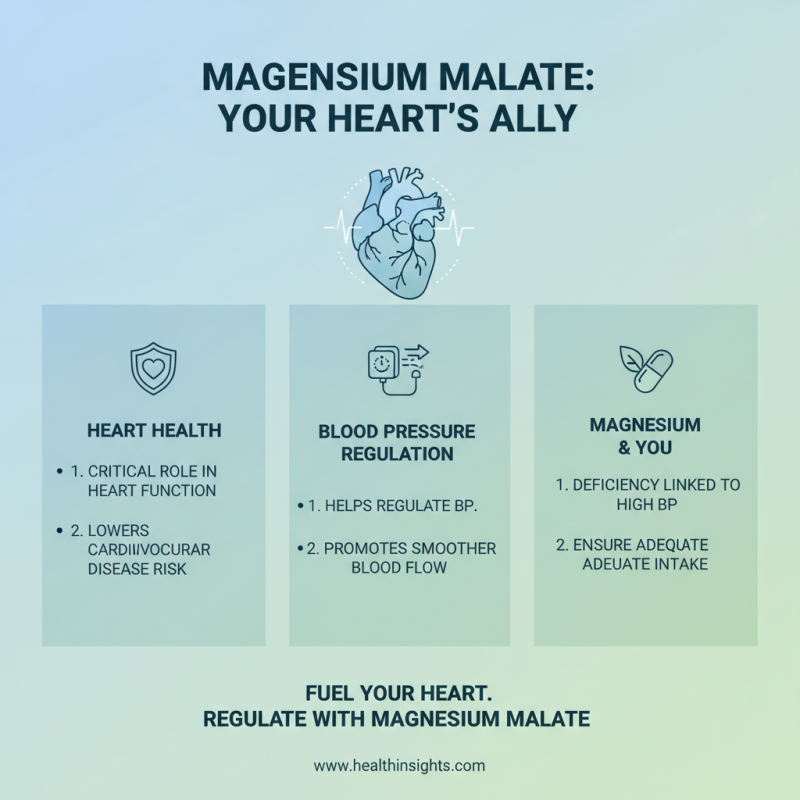
Magnesium malate plays a critical role in maintaining heart health. This compound helps regulate blood pressure, ensuring smoother blood flow. Studies suggest that adequate magnesium intake may lower the risk of cardiovascular diseases. High blood pressure is often related to magnesium deficiency. Therefore, ensuring you consume enough magnesium malate can be beneficial.
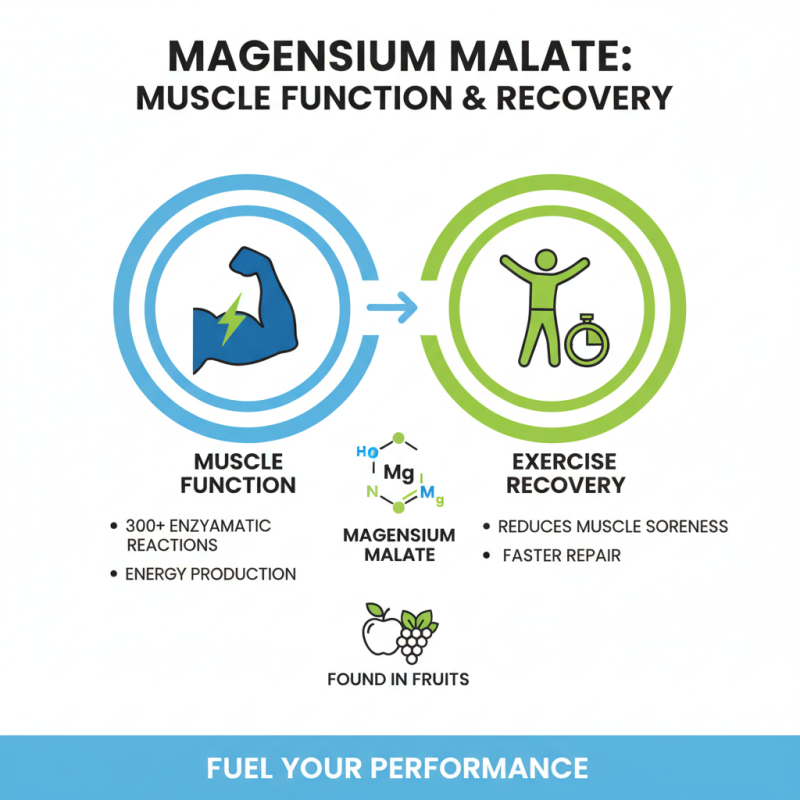
In addition to its heart-healthy properties, magnesium malate aids in muscle function. Many athletes incorporate it into their diet for improved performance. People often overlook this mineral, yet it's essential for overall vitality. This element contributes to energy production and muscle recovery. Its interaction with other forms like Magnesium Glycinate can enhance absorption, leading to greater health benefits.
While magnesium malate is crucial, not all sources are equal. High-quality forms must be considered for optimal effects. Many people assume they get enough minerals, but diets vary significantly. Reflecting on your magnesium intake can reveal deficiencies. Small adjustments in dietary choices can lead to significant improvements in health.
Dietary Sources and Recommended Dosages of Magnesium Malate
Magnesium malate is a form of magnesium combined with malic acid. It is gaining attention for its potential health benefits. Many people seek to increase their magnesium intake to support overall health. Sources of magnesium malate include certain fruits and vegetables, nuts, seeds, and whole grains. Apples, for instance, are known to be rich in malic acid, providing a natural source of this supplement.
The recommended daily dosage of magnesium varies. Experts suggest that adult men should aim for around 400-420 mg per day, while women should target 310-320 mg. However, these needs can differ based on diet, age, and individual health conditions. Some studies suggest that doses of magnesium malate around 1,000 mg per day can be beneficial for conditions like fibromyalgia. Yet, excess intake might lead to side effects like diarrhea.
Research indicates that magnesium plays a crucial role in over 300 enzymatic functions in the body. It contributes to muscle function, energy production, and maintaining a healthy nervous system. However, reliance on supplements should not overshadow healthy dietary choices. Focusing solely on supplementation without considering a balanced diet might lead to nutrient gaps in the long run.
Potential Side Effects and Interactions of Magnesium Malate Supplementation
Magnesium malate is known for its potential health benefits, but there are important aspects to consider. Some users may experience gastrointestinal discomfort. This could manifest as bloating or diarrhea. Adjusting dosage might help alleviating these symptoms, but not always.
Interactions with certain medications are another concern. Magnesium malate can interfere with antibiotics, making them less effective. This interaction highlights the need for individuals to consult healthcare professionals before starting supplementation. Additionally, those with kidney issues should be cautious, as magnesium can accumulate and lead to complications.
In contrast to Magnesium Glycinate Powder, magnesium malate is often favored for energy production. However, the side effects are a trade-off. Individuals need to weigh the benefits against the risks. It's crucial to listen to your body and consult a healthcare expert when integrating these supplements into your routine.
Conclusion
Magnesium Malate is a compound that offers a range of health benefits, significantly contributing to energy production and metabolism. It plays a crucial role in enhancing muscle function and promoting effective exercise recovery, making it particularly beneficial for athletes. Additionally, Magnesium Malate has a positive impact on mental health and cognitive function, potentially aiding in mood stabilization and focus.
Moreover, research highlights its efficacy in alleviating chronic pain and providing relief for conditions like fibromyalgia. It also supports heart health by aiding in blood pressure regulation. While incorporating Magnesium Malate into the diet, it is important to be aware of recommended dosages and potential side effects, ensuring safe and effective supplementation for overall well-being.