
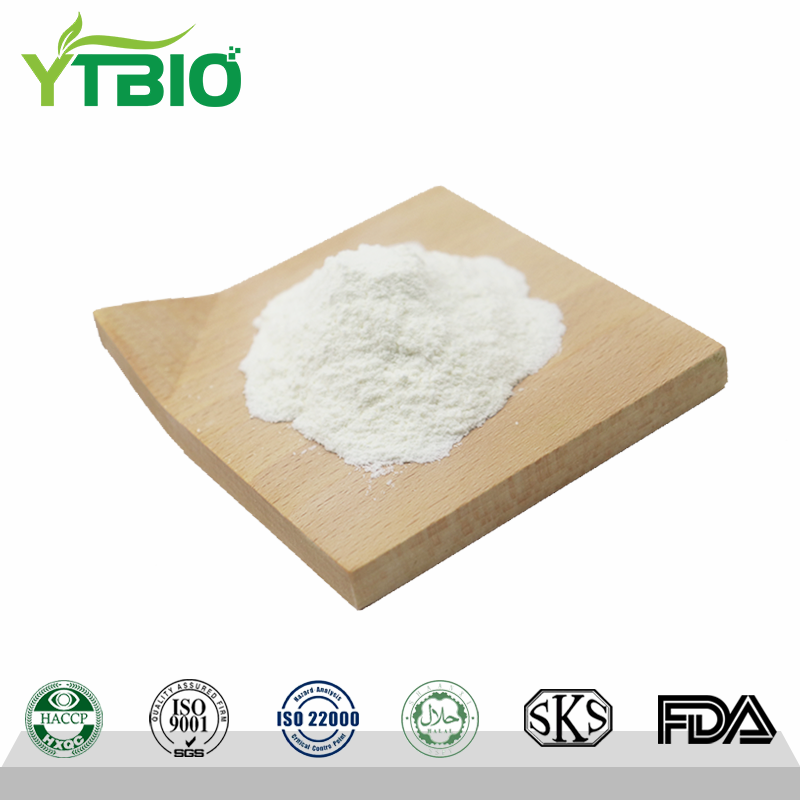
Factory Supply Polylysine Powder CAS 25104-18-1
What is Polylysine?
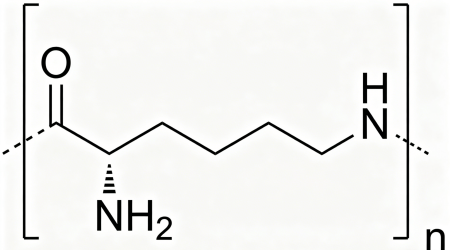
Polylysine is a natural polypeptide biopreservative that has been successfully used in food preservation since the 1980s. Its unique combination of antimicrobial properties and nutritional value makes it an ideal food preservative: it is broken down in the human body and converted into lysine, one of the eight essential amino acids and an internationally recognized safe food fortifier. This metabolizable property gives polylysine a significant safety advantage over traditional chemical preservatives, achieving the dual benefits of preservation and nutritional enhancement.
Polylysine Production Processes
I. Microbial Fermentation Method: Nature's Sophisticated Factory
The production of polylysine relies primarily on microbial fermentation. This method is akin to cultivating a highly efficient microbial construction crew; by optimizing the selection of microbial strains and their culture conditions, these microorganisms are enabled to produce polylysine with high efficiency. Key steps include:
Strain Cultivation: Screening for *Streptomyces* strains possessing high-yield capabilities.
Culture Medium Preparation: Precisely controlling the ratio of carbon sources, nitrogen sources, and trace elements.
Fermentation Control: Maintaining ideal levels of temperature, pH, and dissolved oxygen.
Product Extraction: Isolating and purifying the product using ion exchange or precipitation methods.
The entire process typically takes 48 to 72 hours, yielding a production rate of 15 to 20 grams per liter of fermentation broth.
II. Chemical Synthesis Method
Precise Assembly at the Molecular Level
In addition to biological methods, polylysine can also be prepared through chemical synthesis. This approach resembles a molecular-level building-block game:
Monomer Activation: Modifying lysine molecules with protective groups.
Polymerization Reaction: Forming polymer chains in the presence of catalysts.
Chain Length Control: Regulating the degree of polymerization through reaction conditions.
Purification and Refinement: Removing byproducts and unreacted monomers.
While the chemical method allows for precise control over the degree of polymerization, it entails higher costs and is typically suited for meeting specific product specifications.
What are the benefits
Immune Enhancement and Antioxidant Effects
Polylysine is rich in bioactive amino acid residues such as glutamyl-arginyl dipeptide. By activating immune cell function, it significantly enhances the body's defenses and effectively resists pathogen invasion. Furthermore, its potent antioxidant properties precisely neutralize free radicals, blocking oxidative chain reactions, protecting cell structural integrity, and slowing the aging process.

Blood Pressure Regulation Mechanism
Polylysine regulates blood pressure through multiple pathways: selectively inhibiting angiotensin I-converting enzyme (ACE) activity, reducing the production of vasoconstrictor substances; simultaneously promoting the synthesis and release of nitric oxide (NO) by endothelial cells, repairing endothelial function. These dual actions synergistically achieve vasodilation and lower blood pressure.

Comprehensive Protection of the Cardiovascular System
Polylysine exhibits multiple benefits in the prevention and treatment of cardiovascular disease: regulating lipoprotein metabolism, inhibiting the oxidative deposition of low-density lipoproteins; improving endothelium-dependent vasodilation; and blocking key pathways in the formation of atherosclerotic plaques. These actions collectively form a protective network for cardiovascular health, significantly reducing the risk of cardiovascular and cerebrovascular diseases.

Antibacterial
Polylysine is a polypeptide composed of multiple lysine molecules with broad-spectrum antibacterial activity. It effectively disrupts bacterial cell membrane structures, causing intracellular substances to leak out, thereby killing or inhibiting bacterial reproduction. In food processing, polylysine is often added to cooked foods, braised products, beverages, and baked goods to prevent the growth of common pathogenic bacteria such as Staphylococcus aureus and Escherichia coli, extend shelf life, and has no toxic side effects on humans. After entering the human body, it can be broken down into amino acids for absorption and utilization.
Applications
1. Applications in Food
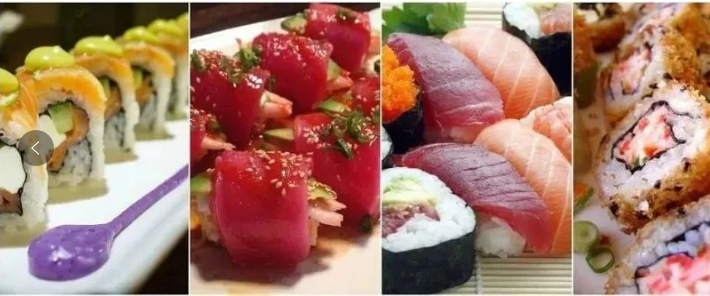
Currently, polylysine is widely used in foods and beverages such as cakes, pastries, fast food, butter, salad dressing, beverages, alcohol, meat products, and canned goods. The national standard dosage for different food types can be found in the table below. Food Category Number Food Name Usage Amount
07.0 Baked Goods 0.15g/kg
08.03 Cooked Meat Products 0.25g/kg
14.02 Fruit and Vegetable Juices 0.20g/l
In addition, polylysine can be used as an effective cleaning and disinfectant for food processing machinery and containers.
2. Applications in Cosmetics and Daily Chemicals
Cosmetics are highly susceptible to microbial contamination and spoilage during production, storage, and use. Deterioration and mold caused by microbial contamination can pose a serious threat to human skin. Polylysine has broad-spectrum antimicrobial properties, effectively inhibiting the growth of various microorganisms and ensuring product quality. Polylysine is a polymer of amino acids and a nutritional preservative, making it more environmentally friendly, safe, and effective. ε-polylysine is also widely used in daily chemical products such as toothpaste, mouthwash, soap, hand sanitizer, wet wipes, kitchen cleaner, sanitary napkins, and baby diapers.
3. Applications in Medicine
Polylysine is rich in cations, generating strong electrostatic interactions with anionic substances and possessing excellent penetration into biological membranes. This property allows polylysine to be used as a carrier for certain drugs, leading to its widespread use in pharmaceuticals. Polylysine polymerized with amethoxazole can enhance drug efficacy. Studies investigating the extent of damage to cell membranes modified with polylysine of varying molecular weights by electric pulses have shown that adsorption of high-molecular-weight polylysine reduces the critical voltage for cell membrane damage.
FAQ
Q: Are your raw materials food grade?
A: All raw materials are food grade and conform to global food safety standards.
Q: What documents can you provide?
A: We offer COA, MSDS, CAS, specs, certificates and customs documents.
Q: What’s the shelf life?
A: 24 months under cool and dry conditions.
Q: What’s your delivery time?
A: 1-3 days for in-stock goods, 7-15 days for bulk orders.
Q: Do you support customization?
A: We support customization on purity, particle size and formula blending.
Email: sales@sxytbio.com
WhatsApp/phone: +86 17782577059
